
Preparing students for the industries, technologies, and careers of the future through hands-on STEM challenges.
Technology is changing the world faster than ever before. From renewable energy and robotics to aerospace engineering and artificial intelligence, today’s students will enter industries that are rapidly evolving.
An Industry Future Challenge gives students the opportunity to explore these future industries through exciting, practical STEM experiences that develop creativity, teamwork, engineering thinking, and problem-solving skills.
Rather than simply learning theory, students become engineers, designers, and innovators for the day.
An Industry Future Challenge is a hands-on STEM program where students work individually or in teams to solve a real-world engineering or technology problem inspired by future industries.
Students may be challenged to:
- Design a renewable energy solution
- Build a sustainable future city
- Create robotic systems
- Develop transport solutions
- Prototype aerospace technologies
- Engineer smart farming systems
- Solve disaster relief problems
- Design environmentally sustainable products
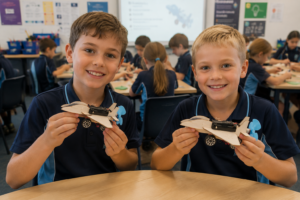
These challenges encourage students to think critically, test ideas, improve designs, and present solutions just like real engineers and innovators.
Why Are Industry Future Challenges Important?
The careers students enter in the future may look very different from today’s workforce.
Many industries are increasingly relying on:
- Automation
- Artificial intelligence
- Robotics
- Sustainable engineering
- Advanced manufacturing
- Digital technologies
- Renewable energy systems
Industry Future Challenges help students develop the transferable skills needed to succeed in this rapidly changing world.
These programs support:
- Critical thinking
- Creativity
- Communication
- Collaboration
- Resilience
- Engineering design skills
- Digital literacy
- Innovation
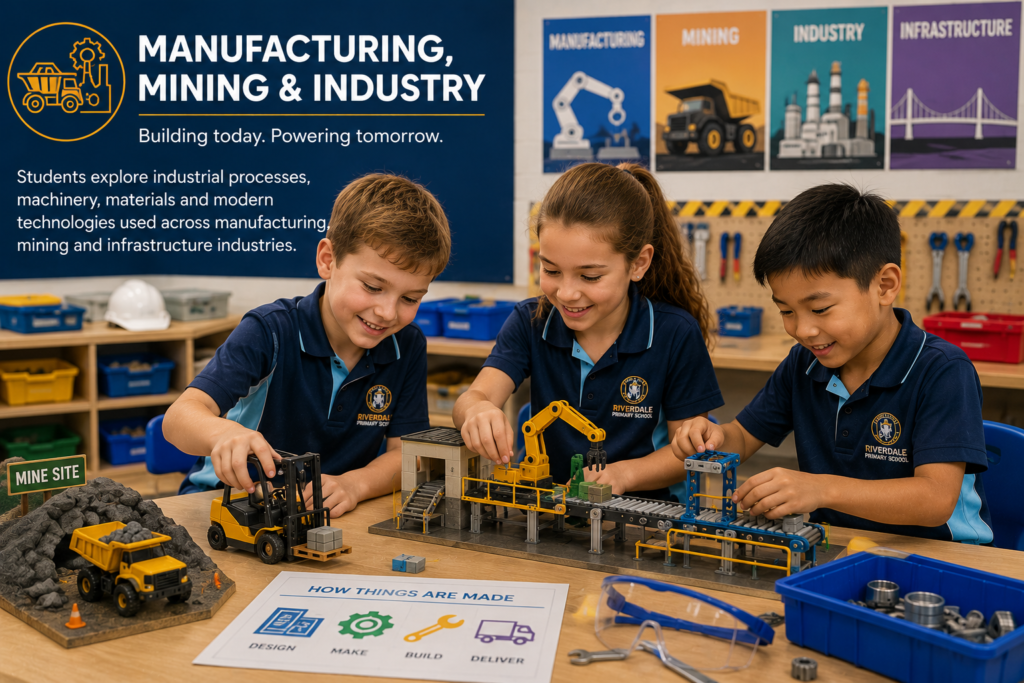
What Skills Do Students Develop?
Problem Solving
Students learn how to analyse problems, test solutions, and improve designs.
Teamwork
Many challenges require collaboration, leadership, and communication.
Creativity
Students are encouraged to think outside the box and generate innovative ideas.
Engineering Thinking
Students experience the engineering design process through planning, prototyping, testing, and refining.
Future Workforce Skills
Students build confidence using technologies and processes linked to modern industries.
Examples of Industry Future Challenges
Renewable Energy Challenge
Students design and build systems powered by solar, wind, or hydraulic energy.
Smart Cities Challenge
Students explore future city design, sustainability, transport, and infrastructure.
Aerospace Engineering Challenge
Students design aircraft, launch systems, or space exploration technologies.
Robotics Challenge
Students build and program robotic systems to complete specific tasks.
Disaster Response Challenge
Students engineer solutions to assist communities during emergencies or natural disasters.
Sustainable Engineering Challenge
Students develop environmentally friendly products and systems using sustainable materials and ideas.
Benefits for Schools
Industry Future Challenges:
- Increase student engagement in STEM
- Promote teamwork and collaboration
- Support curriculum outcomes
- Encourage future career exploration
- Create memorable learning experiences
- Develop confidence in practical learning
- Introduce students to real-world engineering concepts
These programs are suitable for:
- Primary schools
- Secondary schools
- STEM days
- Enrichment programs
- Future pathway initiatives
- School holiday workshops
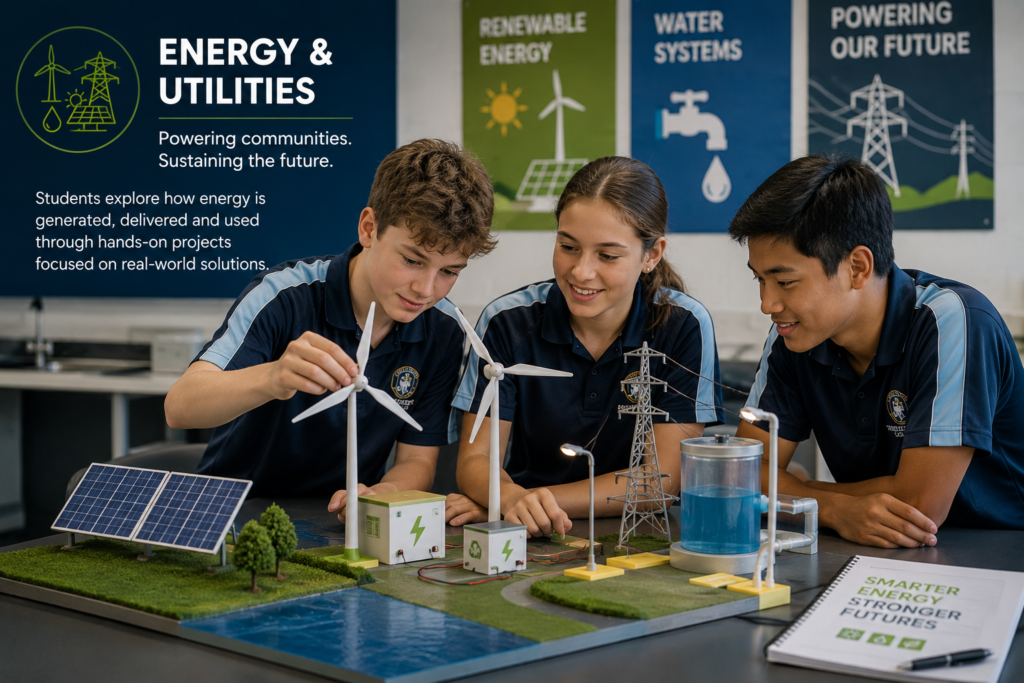
Real-World Learning Experiences
One of the most valuable aspects of an Industry Future Challenge is that students experience learning in a realistic and exciting way.
Rather than simply completing worksheets, students:
- Build prototypes
- Test ideas
- Solve practical problems
- Work under design constraints
- Present solutions
- Think like engineers and innovators
This style of learning helps students connect classroom knowledge to real-world industries and careers.
Preparing Students for the Future
Future industries will require adaptable thinkers, creative problem solvers, and confident innovators.
Industry Future Challenges help inspire the next generation of:
- Engineers
- Scientists
- Designers
- Programmers
- Technicians
- Entrepreneurs
- Innovators
By exposing students to emerging industries and technologies early, schools can help prepare students for a future full of opportunity.
Frequently Asked Questions
Find answers to commonly asked questions about our products and services.